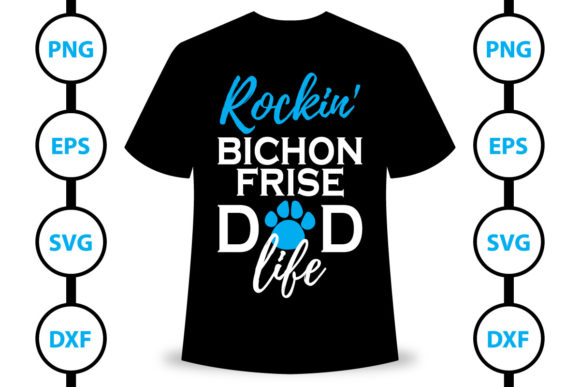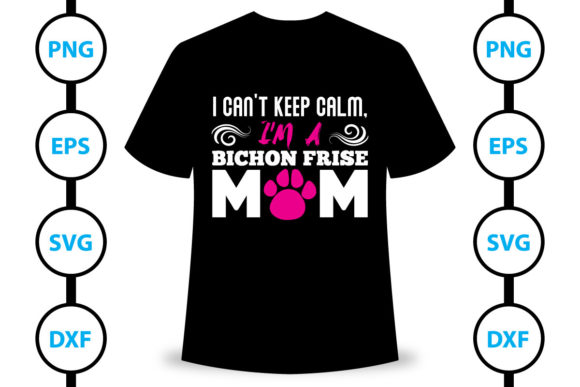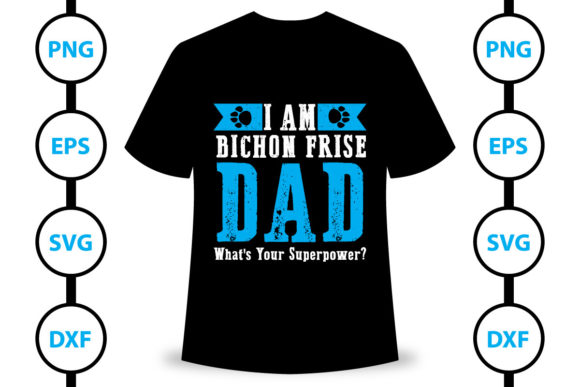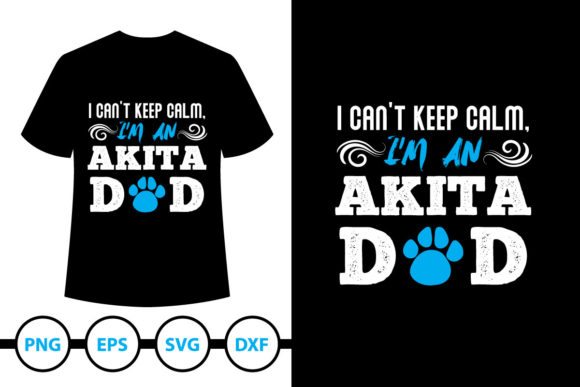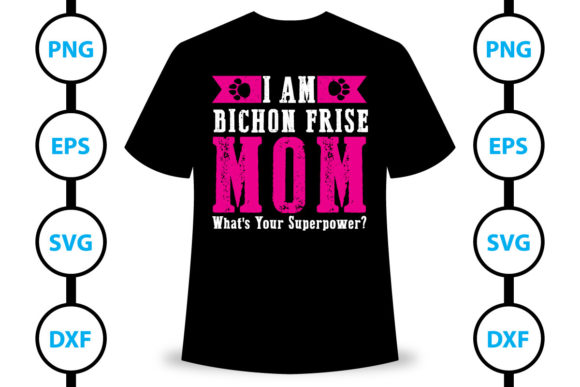
Bichon Fries Dog T-shirt Design 11: Graphics for Print Templates
As a brand designer with years of experience, I’ve seen countless graphic design assets flood the market. But Bichon Fries Dog T-shirt Design 11 stands out for its charm and versatility. This design offers a playful yet polished aesthetic that can elevate small business branding, especially for local businesses with a friendly, approachable vibe.
First Impressions: A Playful and Approachable Mood
The Bichon Fries Dog T-shirt Design 11 immediately evokes a sense of warmth and fun. The design is whimsical, making it ideal for brands targeting pet lovers, families, or anyone looking to add a touch of personality to their products. It feels handmade and organic, which makes it perfect for boutique owners, handmade sellers, and small business branding projects that want to stand out from the crowd.
This design suggests a brand that values creativity, authenticity, and connection. It’s not overly formal, but it still maintains a level of professionalism that works well in product packaging, promotional materials, and social media graphics.
Real-World Applications for Local Businesses
For a local bakery or coffee shop, Bichon Fries Dog T-shirt Design 11 could be used as a decorative element on product labels, menu graphics, or even as a background for seasonal promotions. It adds visual interest without overwhelming the message, making it great for brands that want to maintain a clean and cohesive look.
Handmade soap businesses, boutique stores, and children’s product brands could use this design as a logo design element or as part of their packaging design. Its high-resolution PNG and SVG files make it easy to scale and adapt for different print sizes, whether it’s a business card, flyer, or product mockup.
When used in social media graphics or website banners, this design helps create a stronger first impression. It supports a clear visual hierarchy, ensuring that the brand message remains front and center while still being visually engaging.
Supporting Business Presentation and Brand Identity
One of the key strengths of Bichon Fries Dog T-shirt Design 11 is how it enhances brand identity. For small business branding, consistency is crucial. This design asset allows for seamless integration across multiple touchpoints—whether it’s on a product label, a thank-you card, or a promotional ad.
It also improves customer trust. When a brand presents itself with professional packaging and marketing visuals, customers are more likely to perceive it as reliable and trustworthy. The design’s clarity and polish contribute to a more polished look that aligns with modern design trends.
For businesses running seasonal campaigns, this design can serve as a hero graphic or a decorative element that ties into the theme of the campaign. It’s especially useful for holiday promotions, limited-edition products, or themed events where visual appeal plays a big role.
Where Bichon Fries Dog T-shirt Design 11 Excels
This design shines in situations where a brand wants to add a unique, eye-catching element without overcomplicating the overall look. It works well as a product label accent, a packaging design detail, or a decorative brand element on promotional banners.
It’s also great for printable design elements like stickers, hang tags, or seasonal packaging. When used in a product mockup, it gives a real-world preview of how the final product will look, which is invaluable for both designers and clients.
For social media campaigns, Bichon Fries Dog T-shirt Design 11 can be adapted into story templates, post headers, or carousel content. It adds personality and visual appeal, helping to engage audiences and drive conversions.
Where to Use It Carefully
While Bichon Fries Dog T-shirt Design 11 is versatile, it may not be the best fit for all branding scenarios. In formal corporate settings, its playful nature might clash with a more serious brand identity. Similarly, it may not work well on very small labels or crowded product packaging where space is limited.
It should also be used with caution in layouts that include a lot of text, such as ingredient lists or legal information. The design could compete with important details, reducing readability. Additionally, low-contrast backgrounds might make the design less visible, so it’s important to test it in different contexts before finalizing any project.
For luxury minimalist brands, this design may feel too busy. However, with careful placement and scaling, it can still be incorporated in a subtle way that complements the overall aesthetic.
Practical Designer Notes
Before using Bichon Fries Dog T-shirt Design 11 for client work or physical product sales, I recommend testing it on real packaging mockups. Check how it looks in black and white to ensure it still holds up without color. Preview it on small labels to confirm its legibility and clarity.
Test it against different brand colors to see how it integrates with your existing palette. Compare it with competitor packaging to ensure it stands out while still fitting within the industry’s visual norms.
Review the PNG transparency to ensure it’s clean and ready for use. If you’re working with SVG or vector files, inspect the editability to make sure you can customize the design as needed. Also, test it alongside various font styles—serif, sans serif, script, handwritten, and display fonts—to see how they interact visually.
Finally, always confirm the commercial license before using the design for client projects or physical product sales. This ensures that you have the rights to use the design in a professional setting without legal issues.
Conclusion: A Versatile Asset for Small Business Branding
Bichon Fries Dog T-shirt Design 11 is a valuable graphic design asset for small business branding, product packaging, and promotional visuals. Whether you're a local business owner, a handmade seller, or a creative entrepreneur, this design offers flexibility, style, and practicality that can enhance your brand’s presence in the market.
With the right application, it can help build stronger emotional connections with customers, improve product recognition, and support a more consistent brand identity. As long as it’s used thoughtfully and in the right context, it has the potential to become a key element in your design toolkit.